
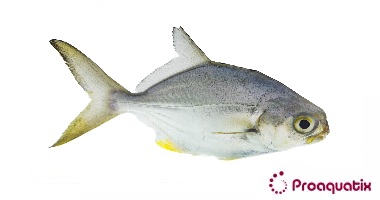
Florida Pompano
Trachinotus carolinus
A silvery, deep-bodied jack prized by surf anglers along the Atlantic and Gulf beaches. Considered one of the finest table fish in North America.
Taste profile
Rich, buttery, sweet white flesh — frequently called the world's best eating fish. Delicate but firm texture.
How to cook it
Whole Grilled
Score and grill whole with olive oil, lemon, and herbs — the 'pompano en papillote' is a New Orleans classic.
Pan-Seared
Skin-on fillets sear beautifully in butter with capers and lemon.
Baked in Parchment
Signature preparation: baked in parchment with shrimp and wine sauce.
Blackened
A light Cajun blackening showcases the buttery richness without overpowering it.
Tips to catch one
- ✔Fish the wash and sandbars along Atlantic/Gulf beaches with sand fleas, shrimp, or Fishbites.
- ✔Use a pompano rig (double-dropper) with #1 circle hooks and a 3–6 oz pyramid sinker.
- ✔Look for slicks and troughs where waves crash — pompano follow the sand fleas kicked up by surf.
- ✔Spring and fall migrations produce the most fish on Atlantic beaches; sight-cast goldspoon jigs when water is clear.
Keep it fresh: bleed, spike & ice
🔪 Spike (Ike Jime)
Insert a spike into the brain cavity just behind and above the eye. The fish will shudder briefly then go still — this signals a clean kill that prevents stress hormones from degrading the flesh.
🩸 Bleed
After spiking, cut one or both gill arches at the gill plate junction. Hold the fish head-down in water for 2–3 minutes. Well-bled fish have whiter, cleaner-tasting fillets with a longer shelf life.
🧊 Ice
Place bled fish in an ice slurry (2 parts ice to 1 part seawater). The slurry cools 5× faster than dry ice alone. Keep the drain plug cracked and aim for core temp below 35 °F within 30 minutes.
Size & bag limits by state
| State | Size limit | Bag limit | Notes |
|---|---|---|---|
| Alabama | — | — | No specific regulation |
| Florida | ≥ 11" | 6 per day | Fork length; pompano permit no longer required |
| Georgia | — | — | No specific regulation |
| North Carolina | — | — | No specific regulation; general saltwater rules apply |
| South Carolina | — | — | No specific regulation |
| Texas | — | — | No specific pompano regulation |
| Virginia | — | — | Rare visitor; no specific regulation |