
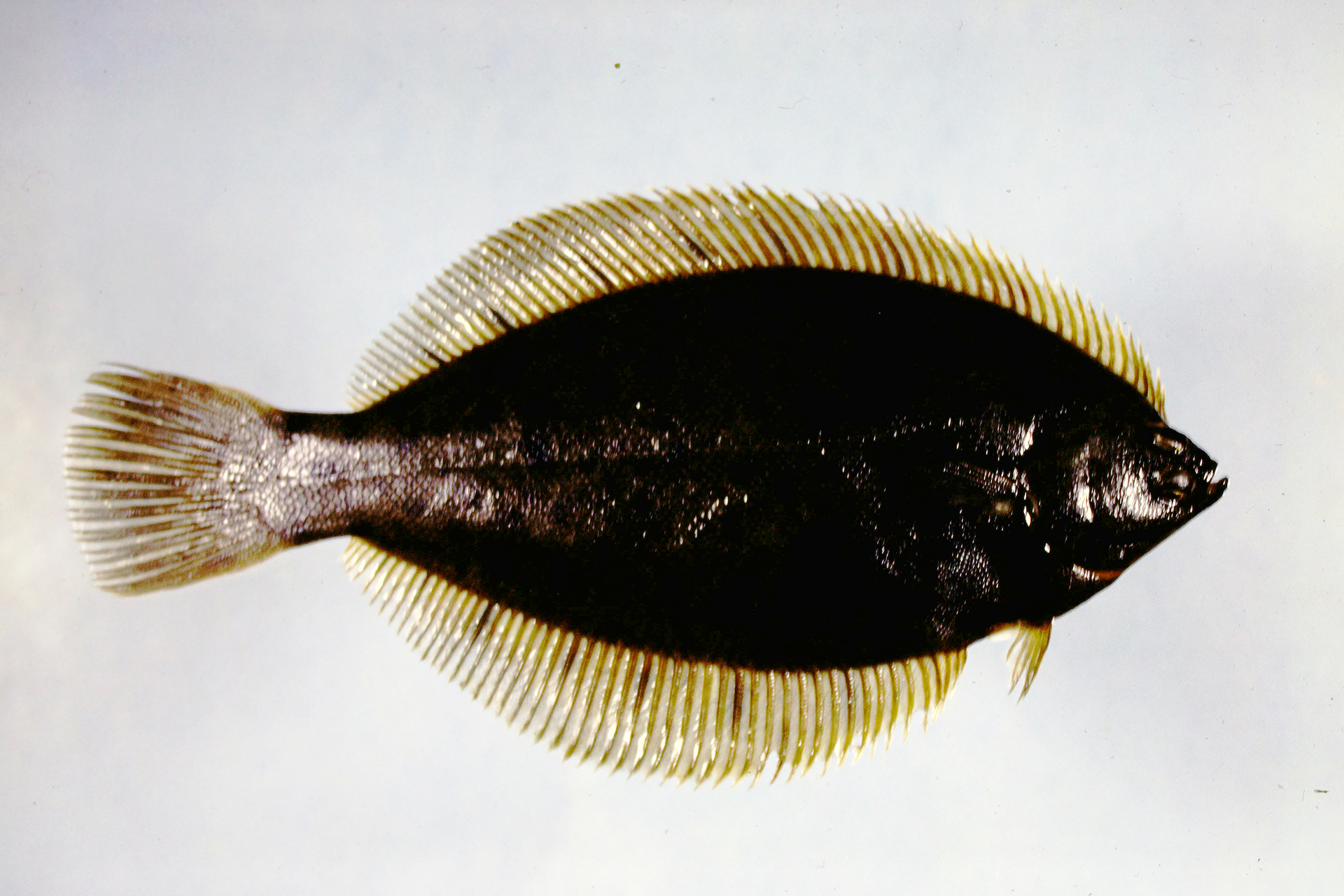
Winter Flounder
Pseudopleuronectes americanus
Right-eyed flatfish of the Northeast, also called blackback flounder. Traditionally targeted in estuaries and harbors in spring.
Taste profile
Delicate, sweet, light white meat with very fine flake — considered a premium eating flatfish.
How to cook it
Pan-Fried
Whole dressed or fillets dredged in flour and butter-browned is classic.
Baked
Bake with lemon butter and breadcrumbs for a Friday-night favorite.
Broiled
Quick broil with paprika and butter — watch carefully, the fillets are thin.
Stuffed
Roll fillets around crab or shrimp stuffing for an elegant dinner.
Tips to catch one
- ✔Fish muddy/sandy estuary bottoms, harbor basins, and back bays in spring.
- ✔Sea worms and mussel meat on a spreader rig are the go-to bait setup.
- ✔Chum with crushed clams or mussels to hold a school over your spot.
- ✔Light tackle and small hooks — winter flounder have very small mouths.
Keep it fresh: bleed, spike & ice
🔪 Spike (Ike Jime)
Insert a spike into the brain cavity just behind and above the eye. The fish will shudder briefly then go still — this signals a clean kill that prevents stress hormones from degrading the flesh.
🩸 Bleed
After spiking, cut one or both gill arches at the gill plate junction. Hold the fish head-down in water for 2–3 minutes. Well-bled fish have whiter, cleaner-tasting fillets with a longer shelf life.
🧊 Ice
Place bled fish in an ice slurry (2 parts ice to 1 part seawater). The slurry cools 5× faster than dry ice alone. Keep the drain plug cracked and aim for core temp below 35 °F within 30 minutes.
Size & bag limits by state
| State | Size limit | Bag limit | Notes |
|---|---|---|---|
| Connecticut | ≥ 12" | 2 per day | — |
| Maine | ≥ 12" | 8 per day | — |
| Massachusetts | ≥ 12" | 8 per day | Season typically Mar-Dec |
| New Hampshire | ≥ 12" | 8 per day | — |
| New Jersey | ≥ 12" | 2 per day | — |
| New York | ≥ 12" | 2 per day | — |
| Rhode Island | ≥ 12" | 2 per day | — |